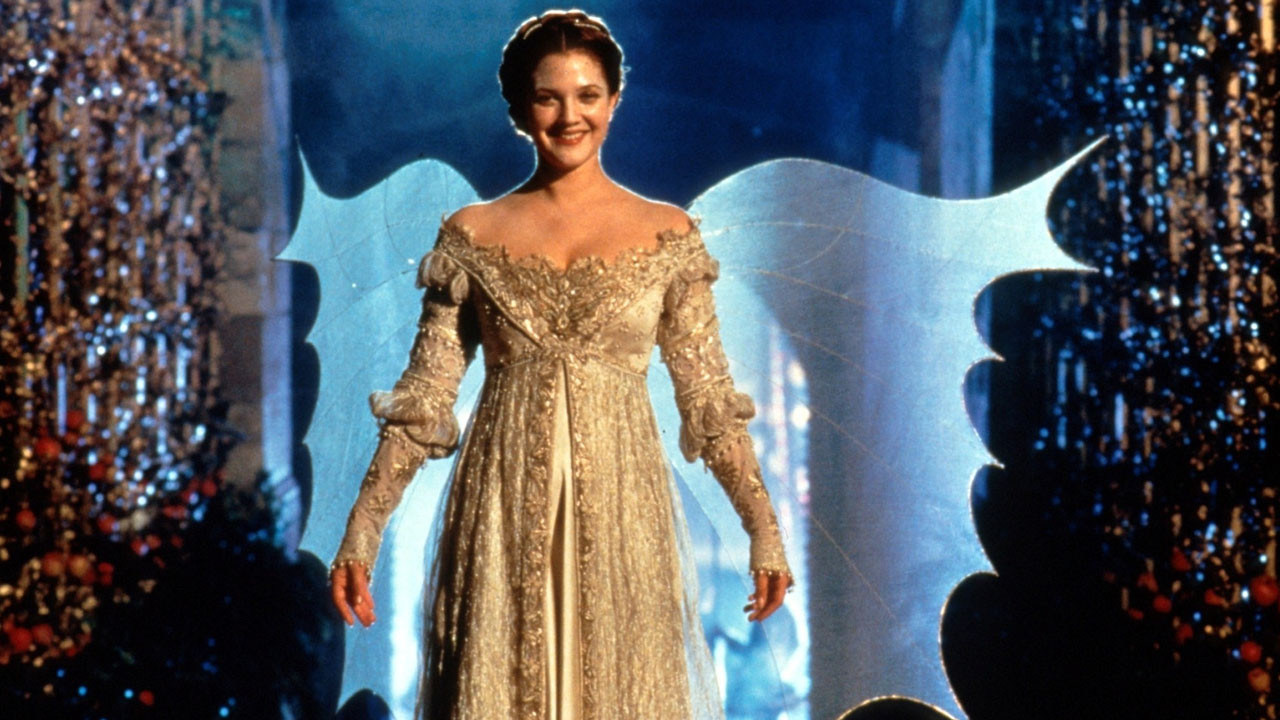
Honestly, Drew Barrymore’s Ever After: A Cinderella Story is a total outlier. It came out in 1998, a year dominated by Saving Private Ryan and Armageddon, yet it managed to carve out this weirdly permanent space in our collective memory. Why? Because it wasn't just another cartoonish retelling. It gave us a Danielle de Barbarac who quoted Thomas More’s Utopia and punched her stepsister in the face. Finding movies like Ever After is actually a massive pain because most period romances either lean too hard into "girl needs saving" or get so gritty they lose the magic.
You want that specific blend. You want the corsets and the sweeping European landscapes, but you also want a heroine who has a brain and a spine. You want the romance to feel earned, not just destined because of a glass slipper. It’s about that grounded, "historical" feel that ignores the fairy godmothers in favor of Leonardo da Vinci acting as a makeshift mentor.
The Renaissance Vibe and Where to Find It
If the thing you love most about Ever After is the Renaissance setting and the feeling of a world waking up to new ideas, Shakespeare in Love is the obvious cousin. It’s got that same lush, 1590s texture. Gwyneth Paltrow’s Viola de Lesseps is basically Danielle with a different accent. She’s trapped by societal expectations but uses her intellect to break the rules. While it’s technically a "fictionalized biography," it plays out exactly like a high-stakes fairy tale. The chemistry between Paltrow and Joseph Fiennes hits those same soaring emotional beats that Danielle and Prince Henry mastered in the ruins of that old monastery.
Then there’s Becoming Jane. Now, look. This one is a bit of a heartbreaker compared to the upbeat ending of Ever After, but the DNA is there. It explores the life of Jane Austen (played by Anne Hathaway) and her supposed romance with Thomas Lefroy. It treats the Regency era with a certain "lived-in" realism. You see the mud on the hems of the dresses. You see the financial desperation that drives marriage. It’s that realism—that sense that these people actually have stakes beyond just "who am I going to the ball with"—that makes it feel like a spiritual successor.
Movies Like Ever After That Actually Subvert the Trope
We have to talk about Ella Enchanted. Wait, don't roll your eyes. I’m talking about the movie, sure, but specifically the way it tries to deconstruct the "obedience" factor. While it’s much more "fantasy" than the grounded world of 16th-century France, it shares that core DNA of a girl fighting against a literal curse of compliance. It’s quirkier. It’s got a weird soundtrack. But if you’re looking for movies like Ever After because you love a Cinderella who refuses to be a victim, Anne Hathaway’s Ella is doing the same heavy lifting, just with more singing giants.
The 2015 Cinderella: A Surprising Contender
Kenneth Branagh’s Cinderella (2015) is usually dismissed as just another Disney live-action cash grab. It’s not. It’s actually surprisingly deep. Cate Blanchett’s Lady Tremaine isn't just a "mean" stepmother; she’s a woman who has been hardened by the cruelty of a world that offers no safety net for widows. Sound familiar? It’s very similar to Anjelica Huston’s Baroness Rodmilla de Ghent. Lily James plays Ella with a "courage and kindness" mantra that feels less like a passive trait and more like a radical act of defiance. It’s the only other Cinderella adaptation that captures the visual scale—the sheer, breathtaking costume design by Sandy Powell—that rivals the "Just Breathe" wing scene in Ever After.
A Knight's Tale: The Anachronistic Sibling
If what you liked about Ever After was the modern sensibility trapped in a medieval world, A Knight's Tale is your best bet. It’s got Heath Ledger, a David Bowie soundtrack, and a lot of jousting. It shouldn't work. On paper, it's a disaster. But it works because it treats its characters with the same sincerity that Andy Tennant brought to Ever After. It understands that being poor in the 14th century sucked, and the only way out was through wit and luck. The romance between William and Jocelyn has that same "feisty noblewoman meets commoner with a secret" energy that kept us glued to the screen in the 90s.
Why the "Grounded Fairy Tale" is a Dying Breed
The problem is that Hollywood stopped making mid-budget period romances. Everything now is either a $200 million franchise or a gritty indie. Ever After lived in that sweet spot. It used real locations like the Château de Losse and the Château de Hautefort. You can feel the cold stone walls.
- The Sincerity Factor: Modern movies often feel the need to "wink" at the camera. Ever After didn't. It was 100% sincere about its politics and its heart.
- The Script: Susannah Grant (who also wrote Erin Brockovich) gave the characters dialogue that felt elevated but not archaic.
- The Villainy: Baroness Rodmilla wasn't a witch. She was a social climber. That makes her infinitely more terrifying because she exists in real life.
If you’re hunting for that specific "intelligent historical romance" vibe, you might have to look toward The Jane Austen Book Club or even Sense and Sensibility (1995). The latter, written by Emma Thompson, has that same sharp wit. While it lacks the "peasant girl" trope, it deals heavily with the "women as property" theme that Danielle fights so hard against.
Hidden Gems You’ve Probably Missed
Ever heard of Penelope? It’s a modern-day fairy tale starring Christina Ricci and James McAvoy. It’s about a girl born with a pig’s snout due to a family curse. It sounds ridiculous. It is ridiculous. But it’s one of the few movies like Ever After that understands the "self-rescue" requirement. The resolution isn't about a prince breaking the curse; it’s about Penelope accepting herself. It’s got that whimsical-yet-grounded tone that is so hard to replicate.
Then there is Stardust. Based on the Neil Gaiman novel, it’s definitely more high-fantasy, but the romance between Tristan and Yvaine feels earned in a way that reminds me of Prince Henry’s slow realization that he’s a bit of an idiot and Danielle is the smartest person in the room. Plus, Claire Danes and Charlie Cox have incredible chemistry.
The French Connection
Since Ever After is set in France, why not look at some actual French productions that hit those notes? Cyrano, My Love (or Edmond in French) is a fantastic look at the creation of Cyrano de Bergerac. It’s funny, romantic, and beautifully staged. It captures that "Old World" magic without needing a magic wand.
How to Curate Your Own "Ever After" Marathon
If you're planning a weekend of watching movies like Ever After, don't just stick to the obvious ones. You need to mix the "Grounded Period Piece" with the "Empowered Fairy Tale."
Start with The Princess Bride. It’s the gold standard. It deconstructs the genre while being the best example of it. Buttercup might seem passive at first, but the movie is fundamentally about the power of True Love over political machinations.
Follow it up with Belle (2013). This is a true story—mostly—about Dido Elizabeth Belle, a biracial woman raised in the British aristocracy. It deals with the horrors of the slave trade and the legal system of the 1700s, but it’s wrapped in a stunningly beautiful period romance. It’s got the intellectual weight that Ever After fans crave. It’s not just about dresses; it’s about changing the world.
Actionable Next Steps for the Period Romance Fan
The search for that perfect movie doesn't have to be a drag. If you've exhausted the list above, here’s how to find more:
- Look for Screenwriters, Not Directors: Susannah Grant is the key to Ever After. Look for her other work. Similarly, look for movies written by Emma Thompson or directed by Greta Gerwig. They prioritize the female gaze in historical settings.
- Explore the "Hera" Heroine: In literature, Danielle is a "Hera" archetype—noble, resilient, and protective. Search for movies featuring "competent heroines in historical settings."
- Check the Soundtrack: Often, movies with similar emotional resonance share a certain musical DNA. George Fenton’s score for Ever After is iconic. Look for composers like Rachel Portman or Dario Marianelli.
- Go International: Don't ignore foreign language films. The "Costume Drama" is a staple of French and Italian cinema, and they often treat these stories with much more maturity than Hollywood.
The magic of Ever After wasn't in the "happily ever after." It was in the struggle to get there. It was in the realization that a crown is just a piece of gold if the person wearing it doesn't have a soul. Keep looking for movies that value character over tropes, and you'll find plenty to love.