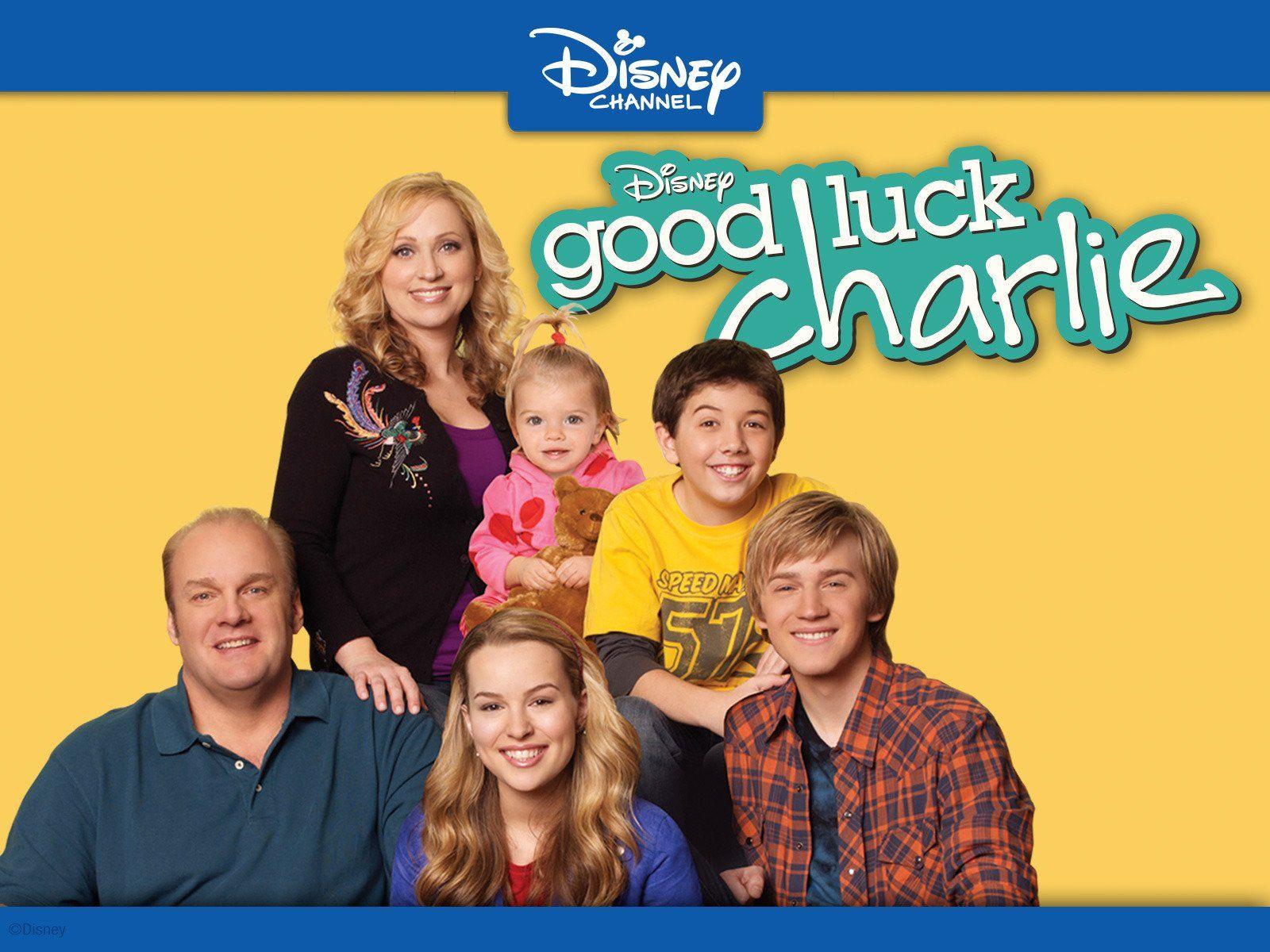
Disney Channel was in a weird spot in 2010. The era of high-glitz musical numbers and secret pop stars was starting to wind down. People were getting a little tired of the "teenager with a secret identity" trope that Hannah Montana and Wizards of Waverly Place had perfected. Then came the Duncan family. Honestly, Good Luck Charlie season 1 was a massive risk because it was so... normal. It didn't have magic wands or world tours. It just had a baby, a crowded house, and a video diary.
Phil Baker and Drew Vaupen, the creators, wanted to make something that parents could actually sit through without wanting to pull their hair out. They succeeded. It’s rare for a sitcom aimed at kids to capture the actual chaos of a multi-child household, but the Duncans felt real. You had Amy, a nurse who was slightly terrifying when she didn't get her way, and Bob, a guy who just wanted to talk about bugs and eat a sandwich. It was relatable. It was funny. It worked.
The Pilot That Set the Tone
The first episode, "Study Date," aired on April 4, 2010. It didn't waste time with a long backstory. We just jumped right into the madness of a family of five becoming a family of six. Adding a new baby to a household where the kids are already teenagers or pre-teens is a recipe for disaster in real life, and the show leaned into that.
Bridgit Mendler was the perfect anchor as Teddy Duncan. She wasn't a "mean girl" or a "dork." She was just a smart, slightly stressed-out girl trying to make sure her little sister, Charlie, wouldn't grow up thinking her family was completely insane. That’s why the video diaries were so smart. They gave the show a framing device that felt intimate. It wasn’t just a sitcom; it was a long-term message.
Think about the stakes in Good Luck Charlie season 1. Usually, they were tiny. Teddy wants to go to a dance. PJ and Gabe accidentally get a neighbor's cat. Bob falls down the stairs while carrying a bassinet (which, by the way, was a stunt that actually looked painful). Because the stakes were low, the character beats had to be high. We cared about whether PJ and Gabe would get along because we’ve all been in that "annoying brother" dynamic.
Why the Duncan Family Dynamic Actually Worked
Most Disney shows have "the dumb one" or "the smart one." The Duncans had layers. Amy Duncan, played by Leigh-Allyn Baker, is arguably one of the best TV moms of that decade. She was vain, competitive, and fiercely protective. She wasn't just a background character who made school lunches. She wanted to be on the news. She wanted to be the star of the community theater. She was a person.
Then you have Jason Dolley as PJ. At first glance, he’s the "dumb blonde" trope. But if you watch Good Luck Charlie season 1 closely, he’s actually the heart of the sibling group. He’s the one who cooks. He’s the one who, despite being a bit slow on the uptake, usually ends up doing the right thing for his siblings. His chemistry with Bradley Steven Perry (Gabe) provided the show’s best B-plots. Gabe was the "menace," but he wasn't a villain. He was just a kid who felt a little displaced by the new baby and reacted by trying to swindle Mrs. Dabney out of her peace and quiet.
The neighbor, Mrs. Dabney, played by Patricia Belcher, is a legend. She represents every grumpy neighbor we all had growing up. Her ongoing war with Gabe was a highlight of the first season. It added a layer of suburban reality that made the show feel grounded.
Key Moments from the First 26 Episodes
If you’re revisiting the show, a few episodes stand out as essential. "The Curious Case of Mr. Dabney" is a classic sitcom misunderstanding where Gabe and PJ think they've witnessed a murder. It’s dark for Disney, but handled with such slapstick energy that it stays light. Then there’s "Teddy's Little Helper," which highlights the academic pressure Teddy puts on herself—something a lot of "gifted" kids in the audience related to deeply.
- The Introduction of Spencer: Teddy's relationship with Spencer Walsh (Shane Harper) started here. It wasn't a perfect romance. It had its ups and downs, including the infamous cheating scandal later on, but in Season 1, it was that sweet, awkward first-love stage.
- The Bug Business: Bob Duncan’s obsession with "Bob's Bugs Be Gone" provided a steady stream of physical comedy. Eric Allan Kramer is a big guy, and seeing him do physical stunts or get flustered by a tiny insect was always gold.
- Amy’s Return to Work: One of the most "real" storylines involved Amy going back to the hospital as a nurse and the family failing miserably to keep the house running without her. It acknowledged the invisible labor of moms in a way most kids' shows just ignore.
The "Good Luck Charlie" Signature Style
The show didn't rely on "laugh-track-heavy" pauses as much as its contemporaries. The timing was snappier. A lot of that came from the fact that the cast actually liked each other. You can't fake that kind of chemistry. When they're all in the kitchen talking over one another, it sounds like a real family. They interrupt. They mock each other. They laugh at things that aren't even "jokes" in the script but are just funny character moments.
The creators were very intentional about the "Charlie" of it all. Mia Talerico was a literal toddler during Good Luck Charlie season 1. They didn't use twins, which is rare for TV. They just worked around her actual mood. If she was cranky, Charlie was cranky. If she was laughing, they used it. This gave the show a documentary-lite feel that made the "video diary" aspect feel less like a gimmick and more like a necessity.
Impact on the Sitcom Genre
Before this show, Disney was leaning hard into high-concept fantasy. After Good Luck Charlie season 1 became a hit, we saw a shift. Shows started trying to be more "down to earth" again. It proved that you don't need a superpower to be interesting. You just need a relatable conflict.
The "Charlie" brand became a juggernaut. It was one of the first times Disney Channel really captured the "co-viewing" market. That’s industry speak for "parents didn't hate watching this with their kids." It’s the same reason Bluey is so popular now. It respects the adults in the room while still entertaining the kids.
Honestly, the show holds up. If you watch it today, the jokes about 2010 technology might be dated—those flip phones and blocky laptops—but the family dynamics aren't. Being the middle child still sucks. Having a baby in the house is still loud. Trying to navigate high school while your mom is trying to be your best friend is still cringey.
Fact-Checking the First Season
There are a few things people misremember. Some think the "Good Luck Charlie" catchphrase was in every single scene. It wasn't. It was reserved for the very end of the video diary, usually after Teddy had explained a specific life lesson she’d learned that day.
Also, the show was originally titled Love, Teddy during its development phase. The change to Good Luck Charlie was a pivot to focus more on the family's collective responsibility toward the new arrival. It was a smart move. It made the show feel like an ensemble rather than just a vehicle for Bridgit Mendler, even though she was clearly the star.
Another weird fact: the house used for the exterior shots is a real house in Pasadena, California. It’s become a bit of a pilgrimage site for fans of the show. Unlike the sets for iCarly or Drake & Josh, which felt very "studio," the Duncan house felt like a place where people actually lived. There was clutter. The kitchen looked used. It felt lived-in.
Steps to Relive the Magic
If you’re looking to dive back into the world of the Duncans, here is how to get the most out of it.
- Watch the Pilot and the Finale Back-to-Back: It is wild to see how much the cast aged, but more importantly, how the "video diary" evolved from a fun hobby to a genuine legacy for Charlie.
- Pay Attention to the Background: The writers loved putting "Easter eggs" in the Duncan house, especially related to Bob’s pest control business.
- Check out the "Downstairs" scenes: The basement was PJ and Gabe’s sanctuary. These scenes usually contain the most "adult" humor that flew over our heads as kids.
- Look for the "Amy Duncan" moments: If you’re an adult now, you will realize Amy wasn't the villain—she was just a tired woman doing her best. It changes the whole vibe of the show.
The show eventually ended in 2014, but that first season remains the gold standard for what a modern family sitcom should look like. It didn't need a gimmick because life is already enough of a circus. The Duncans showed us that as long as you have a camera and a slightly dysfunctional support system, you’ll probably be okay.
Good luck, Charlie.
Next Steps for Fans
To truly appreciate the craftsmanship of the first season, watch the episode "Double Whammy." It perfectly balances Teddy’s school life with the family’s home life and features some of the best physical comedy from the early run. After that, look up the cast's recent reunions; they still refer to each other as family, which explains why that Season 1 chemistry felt so authentic. If you're feeling nostalgic, the entire season is currently available on Disney+, and it’s one of the few shows from that era that hasn't lost its charm in the transition to HD.