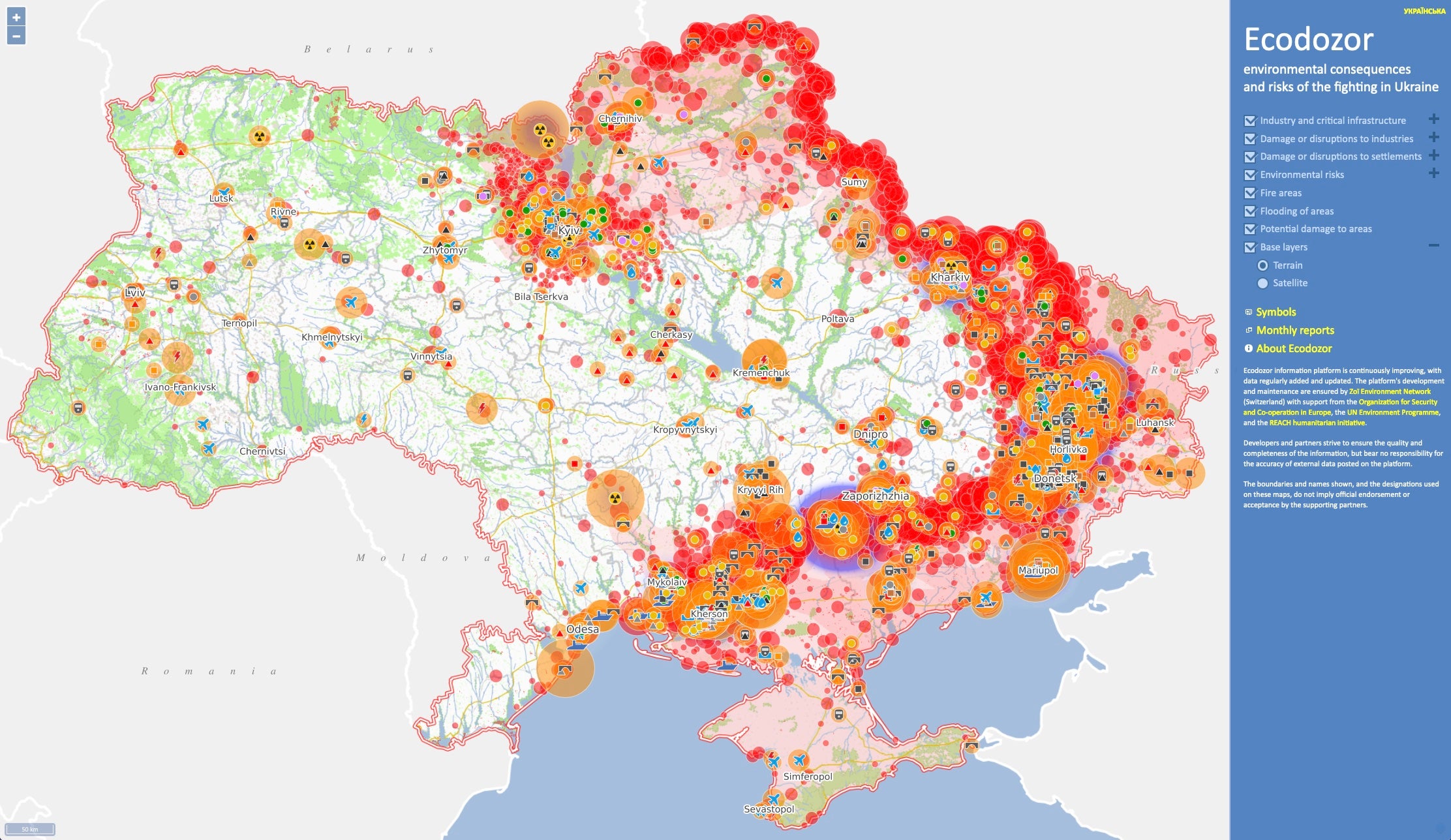
Right now, looking at a Ukraine war map live feels like watching a slow-motion car crash where nobody ever quite hits the wall. It’s frustrating. You refresh the page, hoping for a breakthrough or a sign of an end, but the colors on the screen barely budge. Honestly, if you’re just glancing at the big red and blue blobs, you’re missing the real story.
The frontlines aren't just static; they're exhausted.
As of mid-January 2026, Russia holds roughly 19.3% of Ukrainian territory. That’s the hard number from the Institute for the Study of War (ISW) and DeepState. To put that in perspective, back in early 2022, they had over 26%. So, while the "big arrows" of the initial invasion are gone, we’re stuck in this grinding, attritional nightmare where gaining a single village like Komarivka or Hrabovske is treated like a major strategic victory in Moscow.
The Map is a Liar (Sort Of)
Maps are great for seeing where soldiers are standing, but they’re terrible at showing who is actually winning. You see a red line move forward by 500 meters near Pokrovsk and think, "Oh, Russia is advancing." But what the map doesn't show you is the 1.1 million casualties Russia has reportedly sustained to move that line. That's a staggering figure mentioned by ex-CIA director William Burns just this month.
Ukraine is playing a different game. They’ve realized that holding every inch of dirt isn't always the best move. Lately, they’ve been trading space for time and Russian equipment.
Take the recent activity in the Sumy and Kharkiv oblasts. You might see new "grey zones" appearing there on live trackers. Is it a new massive offensive? Probably not. The ISW guys think it’s "cognitive warfare"—basically, Russia poking at dormant parts of the border to freak out the West and make it look like the whole front is collapsing. It’s a psychological play as much as a military one.
Where the Heavy Lifting is Happening
If you want to know where the war is actually being decided, stop looking at the Donbas for a second and look at the Caspian Sea and Rostov Oblast.
- Deep-Strike Campaign: Ukrainian drones just hit Lukoil platforms in the Caspian. That’s thousands of miles from the "frontline" on your map.
- The Oreshnik Factor: Russia is retaliating with new toys. They recently used an "Oreshnik" medium-range missile—a nuclear-capable beast—to hit Lviv.
- Energy Infrastructure: About 40% of Russia's oil refining capacity has been knocked offline at various points by drone strikes.
You won't see a "line" move when a refinery in Taganrog blows up, but that strike does more to end the war than capturing three ruined houses in a village nobody can pronounce.
What Most People Get Wrong About the Live Map
People tend to think of the frontline as a continuous trench like World War I. It’s not. It’s a series of strongpoints, sensor nets, and "kill zones" dominated by FPV drones.
The DeepStateMap is probably the most detailed tool out there right now, and if you zoom in close, you'll see "infiltrations." These aren't grand charges. It’s five guys in a basement or a drone team in a treeline. In places like Kupyansk, the situation is so fluid that even the "live" maps struggle to keep up. One day Russia claims they’ve "encircled" the city; the next day, Ukrainian Colonel Viktor Trehubov points out there are only about 50 Russian soldiers actually left in the pocket.
The map is a snapshot, but the war is a fluid, digital mess.
The "Buffer Zone" Myth
Valery Gerasimov, the Russian General Staff Chief, keeps talking about a "buffer zone" in the north. He claims they took 300 square kilometers in the first two weeks of January 2026. Sounds impressive, right?
But look at the math. 300 square kilometers is roughly the size of a few large farms in the American Midwest. In a country the size of Ukraine, it’s a rounding error. Russia is basically burning through their remaining mechanized units to buy "map pixels."
The 2026 Reality: Diplomatic Pressure vs. Battlefield Facts
There’s a lot of talk about peace plans right now. You’ve probably heard about the "28-point plan" or the "Coalition of the Willing" (France and the UK) talking about sending troops for ceasefire monitoring.
Russia’s strategy is simple: make the ukraine war map live look as scary as possible so the West forces Kyiv to the table. Lavrov is out there saying they want everything—Kharkiv, Odesa, Mykolaiv. But the reality on the ground is that they can barely take a village southeast of Kramatorsk without losing a battalion's worth of gear.
Ukraine is exhausted, no doubt. They’re dealing with 10.6 million displaced people and a power grid that gets hammered every other night. But "exhausted" isn't the same as "defeated."
Practical Steps for Following the War
If you're trying to stay informed without getting lost in the propaganda, here is how you should actually use these tools:
- Cross-Reference Always: Don't just trust a Russian milblogger or a single Ukrainian Telegram channel. Use the ISW Interactive Map for high-level strategic changes and DeepState for the tactical, street-level stuff.
- Watch the "Grey Zones": The areas marked as "contested" are where the real fight is. If a grey zone stays grey for three months, the "offensive" has failed, regardless of what the headlines say.
- Check the Logistics: Follow reports on bridge strikes and rail line damage. A broken bridge in Crimea matters way more than a 200-meter advance in the Donbas.
- Ignore the "Daily Gains" Hype: In 2025, Russia averaged about 171 square miles of gains per month. That is a "foot pace." If a headline says "Russia Charges Forward," check the actual acreage. It's usually tiny.
The war has entered a phase where the map is a scoreboard of attrition rather than a record of conquest. Both sides are waiting for the other to break, but the lines themselves have become a secondary character in a much larger story of drones, missiles, and global economics.
To get the most accurate picture, stop focusing on the movement of the line and start looking at the status of the infrastructure behind it. Keep an eye on the Lyman-Slovyansk axis and the Zaporizhzhia frontline—those are the only places where a breakthrough could actually change the map's geometry in any meaningful way this year.