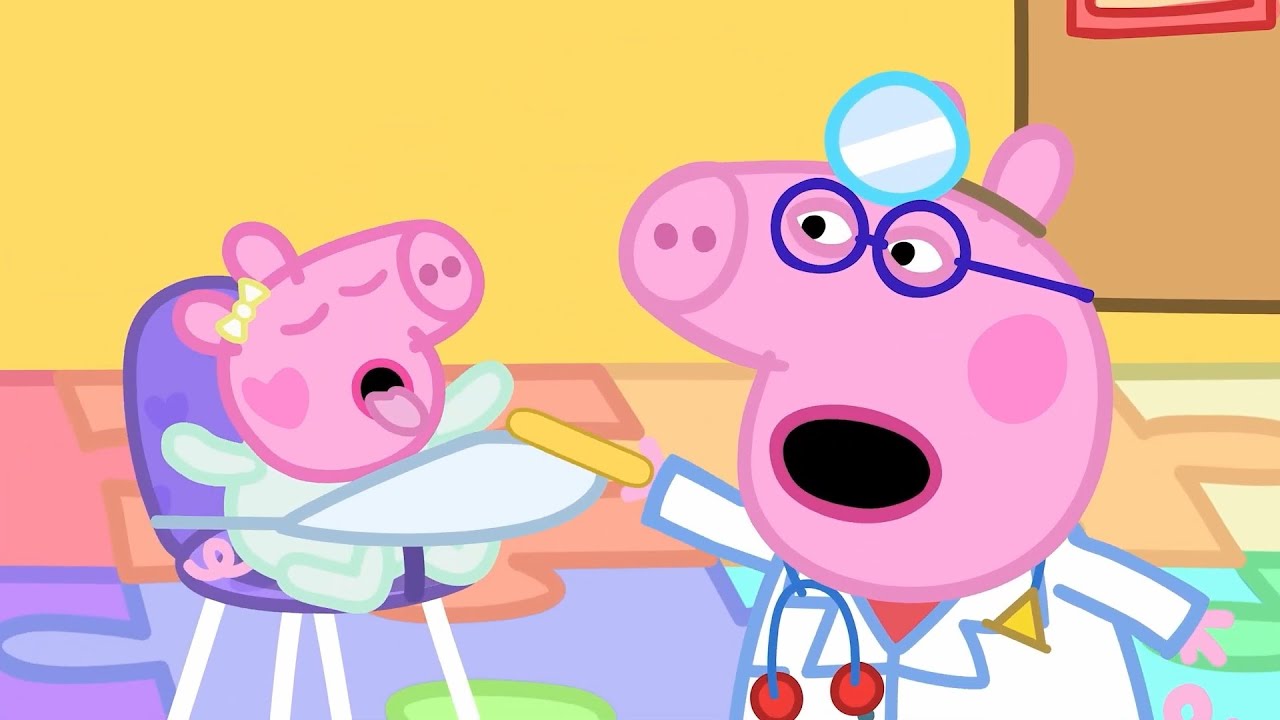
So, you’re scrolling through YouTube or TikTok and suddenly you see it. A thumbnail with a character that looks just like Peppa, but maybe the colors are a bit off or the vibe is just... weird. People are calling her Peppa Pig Evie Pig. You might wonder if you missed a special episode or if there's a new cousin moving into the yellow house on the hill. Honestly, the world of children's animation is weirdly full of these "lost" characters that turn out to be nothing more than digital ghosts.
Let's be clear. Evie Pig is not a real character created by Neville Astley, Mark Baker, or the official production team at Astley Baker Davies. She doesn't exist in the official Peppa Pig canon. You won't find her in the credits of any of the hundreds of episodes aired since 2004. She’s what the internet calls a "fanon" character—a creation of the fandom, or in some cases, a product of the darker corners of YouTube's algorithm-gaming content.
It's wild how fast these things spread.
One day a kid draws a "sister" for Peppa, uploads it to a wiki, and three months later, parents are googling why Peppa has a secret sibling named Evie. It's basically a game of digital telephone.
Why Everyone Thinks Peppa Pig Evie Pig is Real
The confusion usually starts on sites like the Peppa Pig Fanon Wiki. These are creative writing spaces where fans—mostly kids and teens—invent their own storylines. They write detailed biographies, family trees, and episode synopses for characters like Peppa Pig Evie Pig. To a casual observer or a young child, these pages look almost identical to the official Wikipedia or the official Peppa Pig website. They see a "bio" that says Evie is Peppa's long-lost twin or a cousin from out of town, and they take it as gospel.
Then there's the YouTube factor.
YouTube is flooded with "bootleg" Peppa content. Some of it is harmless fan animation, but some of it is generated by bots or low-effort content farms trying to capture search traffic. These videos often use "Peppa Pig Evie Pig" in the title because they know people are searching for it. They might take a clip of Peppa, change her dress color to purple or teal in an editing program, and call her Evie. If a toddler watches it, they don't know the difference. They just see a new pig.
The Anatomy of a Fanon Character
In these fan-made stories, Evie is often depicted with a very specific aesthetic. Usually, she's wearing a purple dress—since Peppa wears red and George wears blue—and she might have a flower in her ear or a slightly different shade of pink skin. These creators give her a whole personality. They say she’s shy, or maybe she’s a rebel who hates jumping in muddy puddles. It’s actually pretty fascinating how much work goes into building these fake backgrounds.
But none of it is official.
If you look at the official brand guidelines from Hasbro (who now owns the franchise), the family unit is very strictly defined. There is Mummy Pig, Daddy Pig, Peppa, and George. Then you have the extended family like Granny and Grandpa Pig, and Auntie and Uncle Pig with their kids, Chloe and Alexander. There is no room for an "Evie" in the legal documentation of the show.
The Problem With "ElsaGate" and Fake Characters
We have to talk about the elephant in the room. Or the pig in the room.
Back in 2017, a phenomenon dubbed "Elsagate" hit the headlines. Reporters like James Bridle wrote extensively about how bizarre, often disturbing content was being funneled to children via the YouTube Kids app. This content used familiar characters like Peppa Pig, but put them in weird or scary situations. Peppa Pig Evie Pig often pops up in these types of videos.
Why? Because it bypasses copyright filters.
If a creator makes a video about "Peppa Pig," the official rights holders might flag it. But if they create a "parody" featuring a character named "Evie Pig" who looks suspiciously like Peppa, they can sometimes dodge the automated takedown systems. This leads to a sea of confusing content that parents have to navigate. It’s frustrating. You think you’re putting on a show about counting and sharing, and suddenly there’s a weirdly animated pig doing things that definitely aren't "expertly crafted for preschoolers."
How to Spot a Fake Peppa Episode
- Check the Animation Quality: Official episodes have a very specific, flat, 2D aesthetic with high-quality voice acting. If the pig’s mouth doesn't move when she talks, or the voices sound like they were recorded in a bathroom, it’s fake.
- The Theme Song: Real episodes always start with the iconic "I'm Peppa Pig! snort" intro. Bootlegs usually skip this or use a distorted version to avoid copyright strikes.
- The Color Palette: The show uses specific HEX codes for the characters. If "Evie" looks like a neon pink highlighter or has a blurry outline, she's a digital edit.
- The Channel Name: Always look for the "Official Peppa Pig" channel. It has a verified checkmark. If the channel is called something like "Kids Fun TV 123" or "Super Pig Stories," proceed with caution.
The Evolution of the Pig Family
The real reason a character like Peppa Pig Evie Pig gains traction is that the show does occasionally introduce new friends. We’ve seen Mandy Mouse, Gerald Giraffe, and Lotte Llama. Fans are conditioned to expect new faces. However, the show is very careful about adding new pigs.
Think about it. Adding a new pig family member would fundamentally change the household dynamic that has remained static for twenty years. Daddy Pig’s clumsiness and Mummy Pig’s patience are the pillars of the show. Introducing a third child or a permanent houseguest like Evie would require a massive shift in the writing room.
The creators, Astley and Baker, have always leaned into simplicity. Two parents, two kids. That’s the formula. Anything outside of that—especially something found on a random wiki page—is just creative fan fiction.
What Parents Should Actually Know
If your kid starts asking for "the Evie Pig episode," don't panic. They probably just saw a thumbnail on a tablet or heard a friend talk about it. It's a great "teachable moment" about how not everything on the internet is real, even if it looks like the toys they have in their toy box.
It's also a reminder to keep an eye on what's playing in the background. The "Peppa Pig Evie Pig" trend is a prime example of how easy it is for unofficial content to bleed into the mainstream consciousness. It’s not a conspiracy; it’s just the way the internet works now. Algorithms prioritize engagement, and "NEW CHARACTER" is a high-engagement hook for four-year-olds.
Next Steps for Navigating Peppa Pig Content
First, verify your sources by only using official streaming platforms like Netflix, Paramount+, or the verified Peppa Pig YouTube channel to ensure you are seeing genuine content. If you encounter "Evie Pig" content on YouTube, use the "Report" feature under "Spam or Misleading" to help clean up the search results for other parents. Finally, check the official Peppa Pig website for a full list of the current character roster if you are ever in doubt about a new friend appearing in the series.