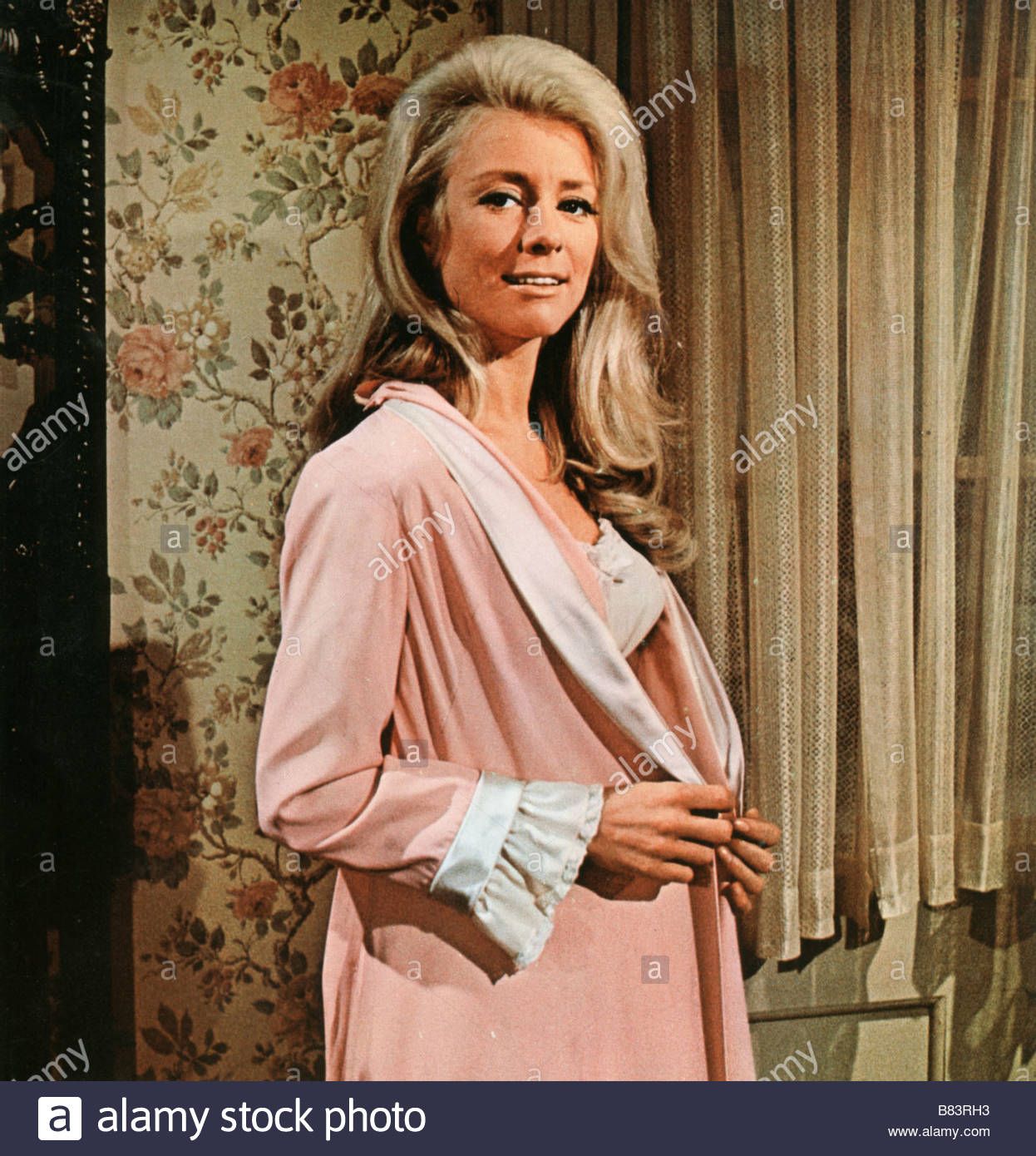
Hollywood history usually keeps its ghosts in neat little boxes. There’s the tragic blonde, the pioneering producer, and the industry that chewed them both up. But the story of Inger Stevens and Ike Jones doesn't fit into a tidy narrative. It’s messy. It’s heartbreaking. And frankly, it’s a masterclass in how much people were willing to sacrifice just to keep a paycheck coming in during the 1960s.
Most people remember Inger Stevens as the glowing, Swedish-born star of The Farmer’s Daughter or the terrified woman in that iconic Twilight Zone episode "The Hitch-Hiker." She had this look—fragile but sharp. But when she died at just 35 years old in April 1970, the world didn’t just lose an actress. They found out she’d been living a double life for nearly a decade.
The Tijuana Secret
Here’s the thing: Inger Stevens and Ike Jones weren't just "close friends" or "colleagues." They were married. They tied the knot in Tijuana, Mexico, on November 18, 1961.
Why Mexico? Because in 1961, being an interracial couple in the United States was, to put it mildly, a career death wish. Even though the Supreme Court wouldn't officially strike down anti-miscegenation laws until 1967, the social laws were already in full effect. Inger was the "All-American" (via Sweden) sweetheart. Ike was a brilliant Black producer—the first African American to graduate from UCLA’s prestigious film program.
They knew the score. If the public found out, the contracts would dry up. The sponsors would bolt. So, they made a pact. They lived in separate houses. They filed taxes as single people. They performed a decade-long play for the benefit of a bigoted industry.
Why the Marriage Stayed Under Wraps
It’s easy to look back now and say they should have been brave. But look at what happened to Mai Britt. When she married Sammy Davis Jr. in 1960, her career essentially vanished. Inger saw that. She was already struggling with her own demons—depression, a previous suicide attempt in 1959, and a deep-seated loneliness that she often talked about in interviews, even if she never named the source.
Ike Jones wasn't just some guy in the background, either. He was a heavy hitter in his own right. He worked with Harry Belafonte’s production company and later produced A Dream of Kings. He was smart, capable, and clearly loved her, but he also understood the business. He was the one who suggested the secrecy. He wanted to protect her.
The tragedy is that the secrecy might have been the very thing that eroded them. By 1970, they were estranged. They weren't living together—well, they never really had—but they were emotionally distant.
That Final, Mysterious Morning in 1970
The end of the Inger Stevens and Ike Jones story is where things get truly dark. On April 30, 1970, Inger’s roommate, Lola McNally, found her face down on the kitchen floor.
The details are haunting. Lola said Inger actually opened her eyes and tried to speak, but no sound came out. She died in the ambulance on the way to the hospital. The cause? "Acute barbiturate poisoning." Suicide.
But there’s this one detail that true crime buffs always circle back to: the bandage. When the medics got her to the hospital, they found a small bandage on her chin. Underneath was a fresh cut. Where did it come from? Nobody knows. There was no note. No explanation. Just a 35-year-old woman gone, and a husband the world didn't know existed suddenly standing in the shadows.
The Courtroom Battle for the Truth
When Ike Jones stepped forward after her death to claim her estate, Hollywood was floored. Most people didn't believe him. He didn't have a marriage license on hand—remember, it was a quick Tijuana wedding in '61.
He had to go to court to prove he was her husband. It sounds cold, but he was fighting for her legacy as much as her assets. The turning point came when Inger’s own brother, Carl O. Stensland, took the stand. He confirmed it. He told the judge that his sister had kept the marriage a secret "out of fear for her career."
The court eventually ruled in Ike’s favor. He was named the administrator of her estate, which was worth about $171,000 at the time. He didn't just pocket the cash, though. He tried to use the money to start a mental health clinic in Watts. He wanted something good to come out of the wreckage.
What We Can Learn From Them Now
Honestly, the story of Inger Stevens and Ike Jones is a reminder that the "Golden Age" of Hollywood was anything but golden for the people living through it. They spent nine years pretending they didn't belong to each other. That kind of pressure does things to a person.
Ike lived a long life after Inger, eventually passing away in 2014 at the age of 84. He never remarried. He spent decades as a respected producer, but he always carried the weight of that secret decade.
If you’re looking to understand the real history of Hollywood, stop looking at the press releases from 1965. Look at the court records from 1970. That’s where the real stories are buried.
Next Steps for History Buffs:
- Research the UCLA Film Archives: Look for Ike Jones’ early work to see his contributions to Black cinema before he was known for his personal life.
- Watch "The Hitch-Hiker": View Inger's performance in The Twilight Zone through the lens of her real-life isolation; it changes the entire vibe of the episode.
- Explore the 1960s Blacklist Mentality: Read up on how interracial relationships were handled by major studios to understand why the secrecy wasn't just "paranoia," but a survival tactic.