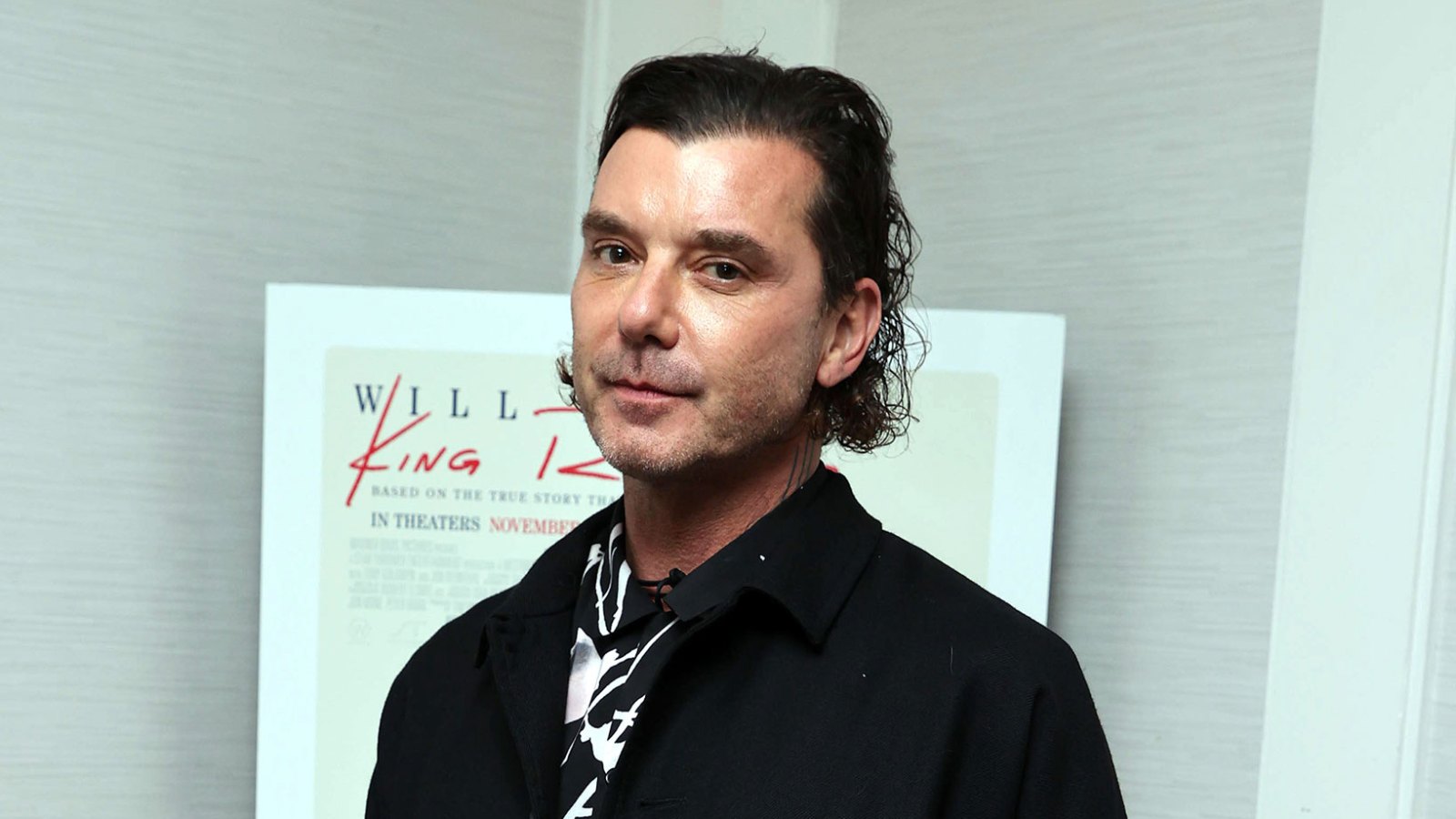
If you spent any time watching MTV in 1995, you probably have a specific image of Gavin Rossdale burned into your brain. He’s shirtless. He’s drenched in sweat. His hair is a mess of blonde-adjacent tangles. And there, right on his shoulder, is that distinct mark that launched a thousand "what does that mean?" conversations in high school hallways.
People are still obsessed with the gavin rossdale shoulder 90s look. Honestly, it’s not just about a tattoo or a specific muscle definition; it’s about a very specific moment in rock history when the "pretty boy" of grunge was both a god and a target.
The Tattoo That Defined an Era
Let’s get the big one out of the way. The tattoo on Gavin’s shoulder is a series of Japanese kanji. In the 90s, everyone was getting kanji, mostly because it looked cool and felt "deep," even if half the time the artist accidentally tattooed the word for "soup" on someone’s bicep.
Rossdale’s ink actually means something. It’s the Japanese symbol for "Bush"—a nod to the band that made him a household name. Simple? Yeah. On the nose? Definitely. But in the mid-90s, when Sixteen Stone was playing on a loop, that shoulder tattoo was basically a brand. It wasn't just skin deep; it was part of the uniform for the "post-grunge" explosion.
Interestingly, Gavin has mentioned in more recent interviews, like his appearance on Club Random with Bill Maher, that he doesn't spend much time living in the past. He’s 60 now, which is wild to think about, but he still carries that ink. It’s a permanent reminder of a time when Bush was selling 6 million copies of a debut album while critics were busy calling them "Nirvana-lite."
Why the "Shoulder Look" Was Everything
It sounds weird to talk about a guy’s shoulder as a cultural touchstone, but hear me out. The 90s aesthetic was all about effortless grit.
Gavin Rossdale basically perfected the "I just woke up under a bridge but I also look like a model" vibe. His stage presence relied heavily on a lean, athletic build that he famously maintained through tennis and a lot of movement. When he’d drape a guitar strap over that tattooed shoulder during "Glycerine" at Woodstock '99, it wasn't just music—it was a visual statement.
- The Hair: Usually a single strand falling over one eye.
- The Skin: Pale, often glistening with stage sweat.
- The Attitude: A mix of posh London kid and tortured rock star.
There was a lot of talk back then about how "manufactured" he looked. People said he was created in a lab to appeal to 15-year-old girls. Maybe. But if you watch the 1996 MTV Spring Break performance where it starts pouring rain and he refuses to stop playing, you see the real grit. The "shoulder" wasn't just for show; it was part of a guy who was actually putting in the work.
The Backlash Nobody Remembers
We forget how much people hated Bush back then. Or rather, how much the cool kids hated them.
While Gavin was becoming the face of every magazine, the Seattle purists were annoyed. They saw the London-born singer with his perfect shoulder tattoos and his Gwen Stefani romance as a sign that grunge had been "gentrified."
Rossdale has been pretty open lately about how unfair that felt. In a chat with Loudwire, he noted that being a "fully grown adult" means taking those shots. He wasn't trying to be Kurt Cobain; he was just a guy from London who grew up around fashion-forward people and wanted to make loud music.
The Shift From 90s Relic to Modern Icon
The gavin rossdale shoulder 90s era didn't really end; it just evolved.
If you see Bush live today—and they still tour constantly—Gavin is usually still rocking the sleeveless looks. He’s leaned into a more refined style, often wearing his own fashion label, Sea of Sound. But the tattoos are still there. They’ve faded a bit, just like the neon colors of the 90s, but they represent a career that outlasted almost all of his critics.
What’s actually impressive is his physical longevity. He told Harper’s Bazaar that he stays away from the heavy partying that killed off a lot of his peers. Instead, he plays tennis for an hour before shows. That’s how you keep the "rock star shoulder" looking like it belongs in 2026 instead of a museum.
How to Get the Look (Without the 90s Trauma)
If you're trying to channel that specific energy, you don't necessarily need to go get Japanese kanji on your deltoid. It’s more about the attitude toward aging and aesthetics.
- Stop Romanticizing the Past: Gavin himself says romanticizing the 90s is "a waste of time." Use the style, but stay in the present.
- Focus on Vitality: He credits his current look to movement and staying "connected" to the audience rather than just resting on his laurels.
- Mix the Gritty and the Gorgeous: That was the Bush formula. Wear the vintage thrift store finds, but keep them clean-cut.
The biggest takeaway from looking back at the gavin rossdale shoulder 90s phenomenon is that style only works if there’s a person behind it who actually cares. Gavin wasn't just a shoulder and a tattoo; he was a songwriter who managed to navigate the brutal transition from the "biggest band in the world" to a legacy act that still sells out venues.
If you want to dive deeper into the actual music that fueled this aesthetic, I’d suggest going back and listening to the Sixteen Stone 30th-anniversary remaster. It sounds surprisingly modern, and it reminds you why, despite all the criticism, those songs—and that look—stuck around.
Next Steps for the 90s Enthusiast
- Check out "Sea of Sound": This is Rossdale’s actual fashion line if you want to see how his 90s aesthetic evolved into modern high fashion.
- Listen to "Heavy Is the Ocean": It’s a newer Bush track that shows he hasn't lost the "growl" that made him famous.
- Watch the Woodstock '99 "Glycerine" performance: This is the peak of the 90s shoulder era. It’s raw, it’s raining, and it’s the best evidence of why he was a superstar.