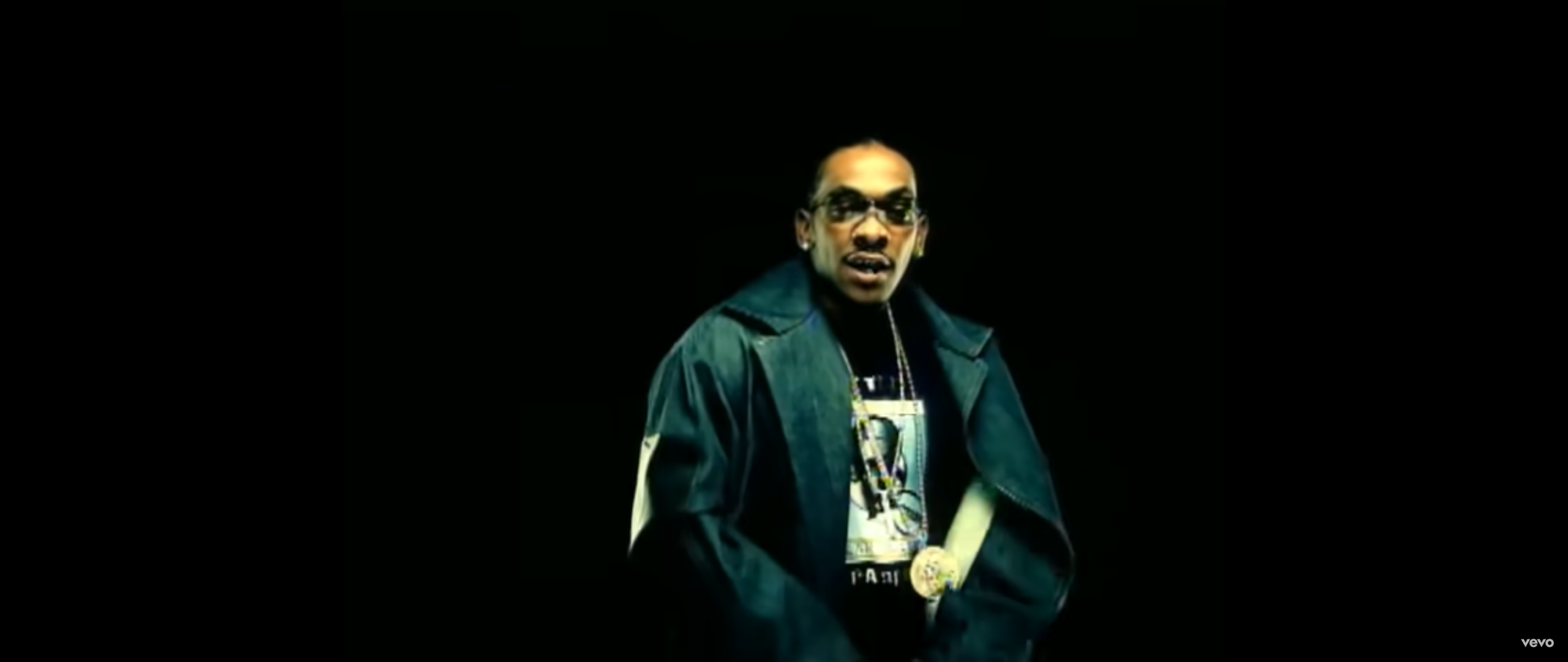
If you were anywhere near a dance floor in 2004, you didn’t just hear this song. You felt it in your chest. The siren-like synth, the heavy-handed Lil Jon production, and that gravelly North Carolina voice barking out names like a drill sergeant in a nightclub. Petey Pablo's "Freek-a-Leek" lyrics didn’t just define an era of Southern hip-hop; they basically became the blueprint for the "crunk" movement that took over the Billboard charts.
But there is a wild story behind this track that most people completely miss.
The Beat That Almost Went to Usher
Most fans don't realize that the "Freek-a-Leek" instrumental was actually a mistake. Or, more accurately, a double-booking. Lil Jon, the King of Crunk himself, had crafted this aggressive, synth-heavy beat and sent it over to Jive Records. He thought he was giving it to Mystikal. Instead, the label handed it to Petey Pablo.
While Petey was in the studio recording what would become a massive hit, Lil Jon—thinking the beat was still "available"—gave it to Usher.
Usher actually recorded a version of his legendary song "Yeah!" over this exact same beat. Seriously. If you listen to the two tracks side-by-side today, you can hear the DNA. The "Yeah!" we know now had to be reworked with a different melody because Petey Pablo refused to give the original track up. He’d already seen the reaction it was getting in Southern clubs. He knew he had a monster on his hands. Honestly, can you blame him?
Breaking Down the Freek-a-Leek Petey Pablo Lyrics
The song starts with a fake radio call-in show. It’s a classic 2000s trope. "This Dominique from Shady Knoll Trailer Park," the caller says. It sets the stage for a track that is unapologetically "hood" but somehow polished enough for Top 40 radio.
Petey Pablo doesn't waste time. He jumps straight into the hook with Penelope Magnet. The refrain—"How you like it, daddy?"—is catchy, sure, but it’s Petey’s verses that really paint the picture. He’s talking about a specific kind of woman. Not a "video girl" in the traditional sense, but someone who knows the game.
The Famous Name Roll Call
Perhaps the most iconic part of the freek a leek petey pablo lyrics is the outro. It’s a laundry list of names that has launched a thousand memes and TikTok videos twenty years later.
- Shameka
- Keisha
- Tara
- Shauna
- Sabrina
- Crystal
- Deronda
- Felicia
- Tenisha
- Sharon
- Monique
- Christina
- Yolanda
If your name was on that list in 2004, you were the main character of every party you walked into. Petey wasn't just shouting out random people; he was building a connection with the audience. It’s a genius marketing move disguised as a club chant. He even shouts out "Seagram’s Gin" because, as he admits in the song, "they paying me for it." Transparency is rare in rap, but Petey was always straight-up.
Why It Still Works in 2026
Crunk music was often dismissed by critics as "simplistic." They called it loud. They called it repetitive. But they were wrong. There is a specific science to the way Lil Jon layers those 808s and the "Novation synth" melody. It creates an urgency. When you hear that opening "W-boom-boom-beat" intro, your brain tells your feet to move.
Petey Pablo's delivery is also underrated. He’s got this raspy, rhythmic flow that fits perfectly between the beats. He isn't trying to out-rap Jay-Z. He’s trying to command a room. The lyrics are explicit—it’s a "dirty rap" song, let’s be real—but they have a certain charm. He talks about "24, 34, 46," referencing body measurements with a bluntness that only a North Carolina native could pull off.
It’s about confidence. The "Freek-a-Leek" isn't just a person; it's an energy.
The Cultural Ripple Effect
You can see the influence of this song everywhere. In 2019, Saweetie basically resurrected the beat for her hit "My Type." It proved that the sound Lil Jon and Petey created wasn't just a "2004 thing." It’s foundational.
The song peaked at number seven on the Billboard Hot 100, which is wild for a track this raw. It helped Petey Pablo move past being just the "Raise Up" guy. It solidified him as a heavy hitter in the Southern rap scene during a time when Atlanta and the Carolinas were starting to dictate what the rest of the world listened to.
Misconceptions and Trivia
- The Slang: People often ask what "Freek-a-Leek" actually means. It’s a play on "freak," obviously, but the "leek" suffix was just Petey’s way of making it sound more rhythmic and unique. It doesn't have a deep dictionary definition. It’s a vibe.
- The Video: Directed by Erik White, the video features Esther Baxter, who became one of the most famous "video vixens" of the era because of this specific appearance. The opening is actually a tribute to the movie Belly.
- The Delay: The album, Still Writing in My Diary: 2nd Entry, was actually supposed to come out in 2002. Label drama at Jive Records kept it on the shelf. If it had come out earlier, we might have never gotten this Lil Jon collaboration. Everything happens for a reason.
How to Experience the Song Today
If you’re revisiting the freek a leek petey pablo lyrics for a playlist or a throwback party, don't just go for the radio edit. You need the "Dirty" version to really appreciate the chaotic energy Petey brings.
Listen for the flute. There’s a subtle flute track in the chorus that most people miss because the bass is so loud. It’s those little production touches that keep the song from sounding dated. It’s a masterclass in Southern production.
To truly appreciate the track's impact, try these next steps:
- Compare the instrumentals: Listen to "Freek-a-Leek" and then immediately play Usher’s "Yeah!" Pay attention to the drum patterns—they are virtually identical because they came from the same session.
- Check the Remix: Look up the remix featuring Ludacris and Twista. Twista’s double-time flow over a crunk beat is something you have to hear to believe.
- Watch the "Raise Up" Video: To understand Petey's trajectory, see where he started. The North Carolina flag-spinning remains one of the most iconic moments in hip-hop history.
This track is more than just a club song; it's a piece of Southern history that bridged the gap between the underground crunk scene and global superstardom.