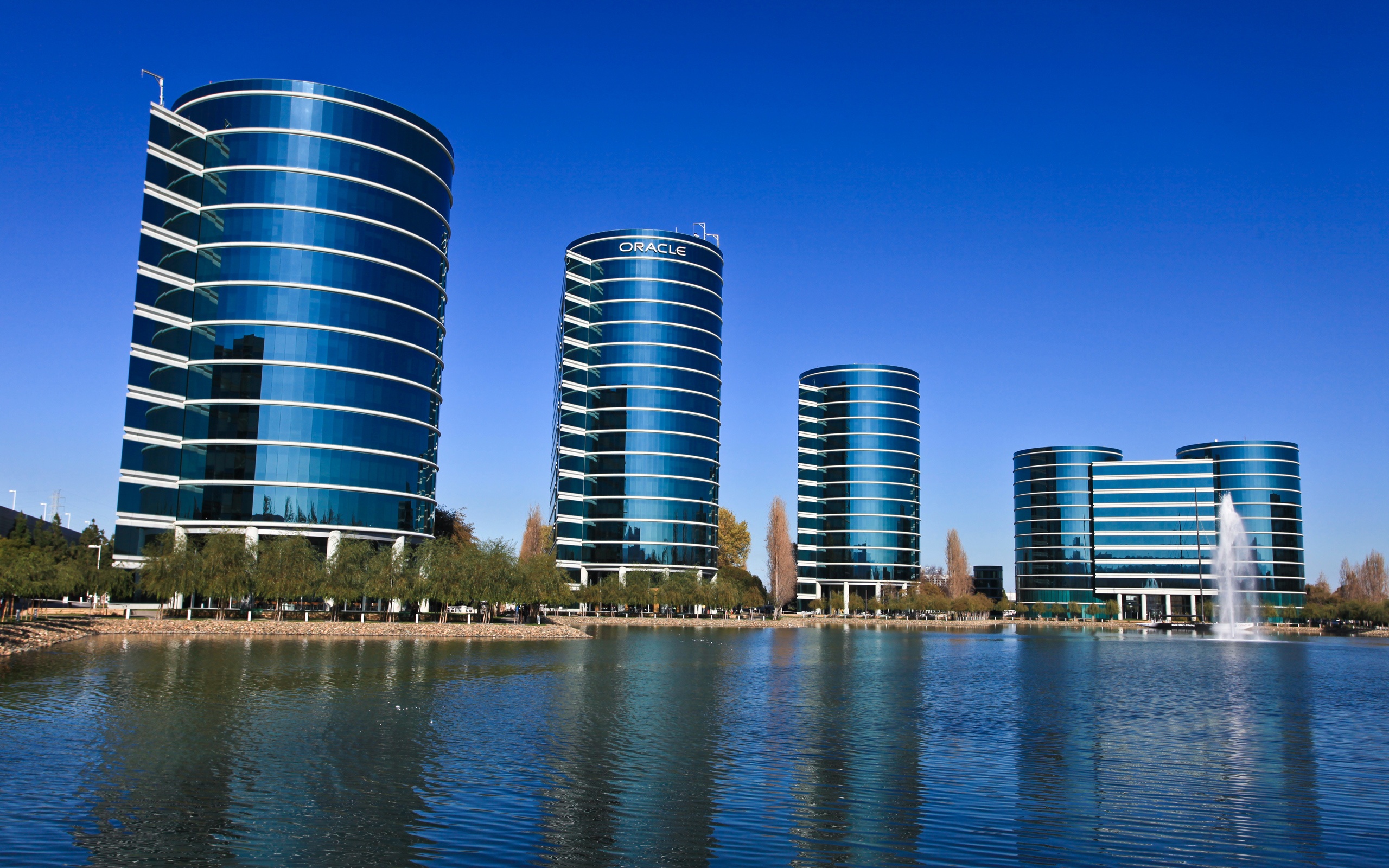
If you’re typing Oracle Corporation headquarters address into a search bar, you might actually be looking for two different places. It’s a bit of a trick question these days. For decades, the answer was Redwood Shores, California. Those iconic glass cylinders sitting right on the water were the visual shorthand for Larry Ellison’s software empire. But things changed fast during the pandemic. In late 2020, Oracle joined the "Texas Exodus." They packed up their corporate charter and moved the official home base to Austin.
Today, if you need the official, legal, and primary Oracle Corporation headquarters address, you have to look toward the South. It is located at 2300 Oracle Way, Austin, TX 78741.
It’s a massive campus. Seriously. It sits right on the Lady Bird Lake waterfront, covering about 40 acres. When you visit, it doesn't feel like a stuffy corporate office. It feels like a high-tech resort that happens to house one of the world's most powerful database companies.
The big move from California to Texas
Why would a company rooted in Silicon Valley since 1977 suddenly decide to change its zip code? It wasn't just a random whim by Larry Ellison or CEO Safra Catz. The shift to Austin was a calculated move. For one, the cost of living in the Bay Area had become an absolute nightmare for recruitment. Austin offered a slightly—and I mean slightly—more affordable lifestyle for engineers, combined with no state income tax in Texas.
The Austin campus actually opened back in 2018, long before they called it the "headquarters." At the time, it was just a regional hub. But as remote work became the standard, Oracle realized they didn't need the massive, expensive footprint in Redwood City to be the "center" of the universe. By making Austin the official Oracle Corporation headquarters address, they signaled a permanent shift in how they view the American workforce.
Texas Governor Greg Abbott was, predictably, thrilled. He often cites this move as proof that Texas is the new "Silicon Hills." It’s hard to argue with him when you see the sheer scale of the 2300 Oracle Way facility. It’s got a massive parking garage, a gym that puts most local fitness centers to shame, and enough glass to make a glazier rich for life.
What happened to the Redwood Shores campus?
Don't think for a second that the old California spot is abandoned. The famous "Emerald City" towers at 500 Oracle Parkway, Redwood Shores, CA 94065 are still very much alive. Even though it isn't the "official" headquarters anymore, it remains a massive center for research, development, and sales.
Honestly, it’s still the most recognizable piece of architecture in the company's portfolio. If you’ve ever flown into SFO, you’ve seen them. Those cylindrical buildings were designed to look like the symbols used for databases in software diagrams. Nerd humor at its finest.
A tale of two campuses
- Austin (2300 Oracle Way): The new kid. Legal headquarters. Focused on the future, cloud growth, and a younger workforce.
- Redwood Shores (500 Oracle Parkway): The legacy. The history. It’s still a powerhouse, but it’s no longer the boss’s primary mailing address.
Interestingly, many employees still refer to Redwood Shores as "the Mothership." Old habits die hard in tech.
Navigating the Austin Headquarters
If you're actually planning to visit the Oracle Corporation headquarters address in Austin, you should know it's not exactly in the middle of downtown. It’s just east of the city center, right off South Lakeshore Boulevard. It’s a beautiful spot. You’ve got the Boardwalk at Lady Bird Lake right there, which means you’ll see plenty of Oracle employees jogging or walking during their lunch breaks.
The security is tight. You can't just wander into the lobby to grab a coffee unless you’re an employee or have a scheduled meeting. If you’re a developer attending a conference or a partner coming in for a briefing, you’ll likely spend your time in the "Executive Briefing Center."
One thing that surprises people is the onsite housing. Oracle actually built an apartment complex nearby specifically to help their younger employees transition to Austin. It’s a level of corporate integration you don’t see every day. They basically built a mini-city.
Why the address matters for investors and developers
You might think an address is just a place for mail to land. In the world of enterprise tech, it's more than that. The Oracle Corporation headquarters address represents the company's pivot toward the cloud. When Oracle was based solely in California, it was the king of the on-premise database. By moving to Austin and decentralizing, they’ve embraced the modern, cloud-first, "work from anywhere" era.
For developers, Austin is a hub for the Oracle Cloud Infrastructure (OCI) team. If you're looking for a job or trying to network with the people building the next generation of MySQL or Java tools, Austin is where the momentum is. California is where the history is, but Texas is where the roadmap is being written.
Legal and Administrative Details
If you are a business owner or a lawyer needing to serve papers or send formal notices, you absolutely must use the Austin address. Sending legal documents to Redwood Shores might result in delays, as the corporate secretary and legal leadership are tied to the Texas filing.
Primary Business Address:
Oracle Corporation
2300 Oracle Way
Austin, TX 78741
Phone: +1.737.867.1000
It’s worth noting that Oracle has hundreds of offices worldwide. From Reading in the UK to Bangalore in India, they are everywhere. But every single one of those satellite offices eventually reports back to the leadership team sitting in Austin.
Real-world impact of the headquarters on Austin
Austin has changed because of Oracle. The East Riverside neighborhood, where the campus sits, used to be a very different place. It was mostly student housing and older apartments. Now, it’s a high-tech corridor. Rent has skyrocketed. New restaurants are popping up every week.
Some locals love it because it brought thousands of high-paying jobs. Others aren't as thrilled about the traffic on I-35 or the disappearing "Old Austin" vibe. But regardless of how you feel about it, Oracle is a permanent part of the skyline now. The company even bought the land for a massive expansion, though they’ve been a bit quiet lately on when the next phase of construction will finish.
Actionable insights for visiting or contacting Oracle
If you need to get in touch with Oracle or find yourself heading to the Oracle Corporation headquarters address, here is the most practical way to handle it.
1. Don't just show up.
Oracle isn't a retail store. If you have a support issue, use the online Oracle Support portal (My Oracle Support). Showing up at the front desk in Austin won't get you a meeting with a technician.
2. Use the correct entrance for Uber/Lyft.
The campus is huge. If you’re taking a rideshare to 2300 Oracle Way, make sure you specify which building or "Phase" you are going to. There are multiple drop-off points, and walking from one end of the campus to the other in the Texas heat is not a fun experience.
3. Check the event calendar.
Oracle often hosts "Oracle Developer Live" events or local meetups at the Austin campus. These are your best bet for getting inside the gates and seeing the facility without being a full-time employee.
4. Update your vendor records.
If you are a contractor or vendor, ensure your billing systems reflect the Austin address. Many companies still have the California address on file from the 90s, which can cause significant hiccups in accounts payable.
The move to Texas was a landmark moment in corporate history. It signaled that the dominance of Silicon Valley wasn't as unshakable as we once thought. Whether you're a job seeker, an investor, or just a curious tech fan, knowing the right Oracle Corporation headquarters address is the first step in understanding where the "Big Red" giant is headed next. It's not just a change of scenery; it's a change of identity. Austin is now the heart of the database world.