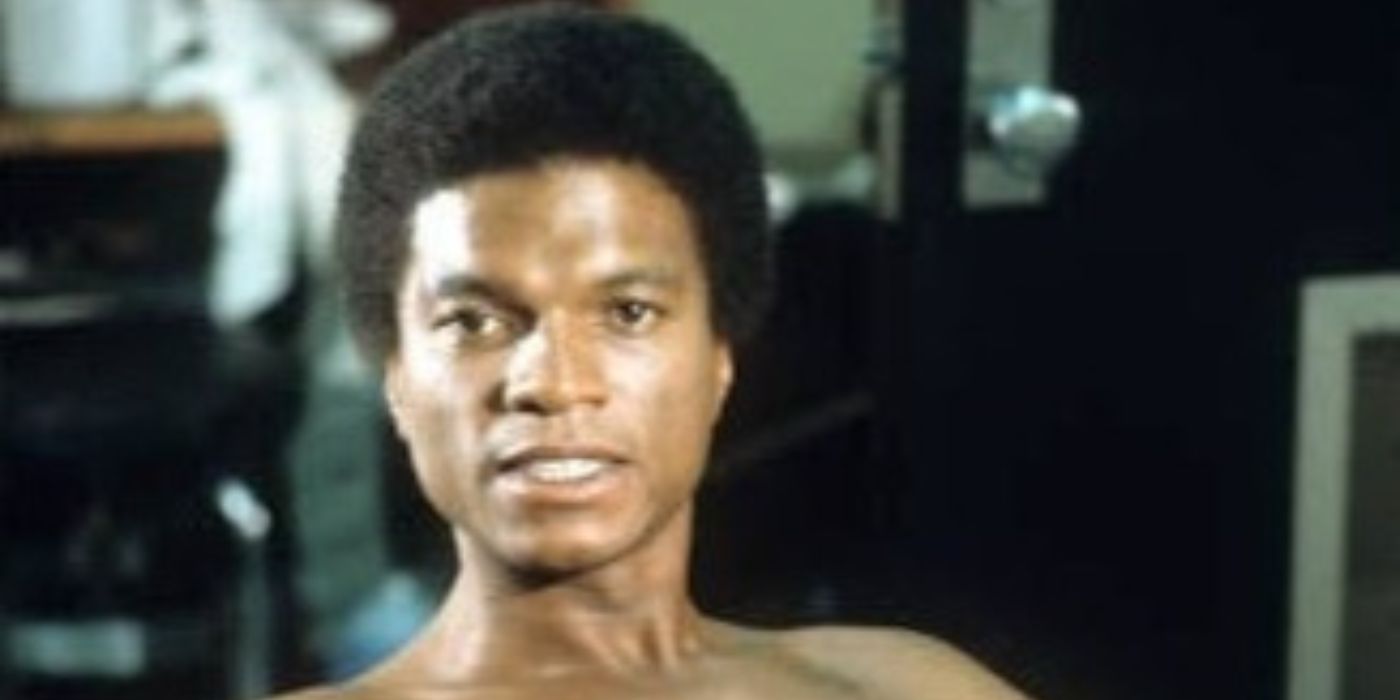
In 1975, the world wasn't ready for Billy Dee Williams in Mahogany. Honestly, it’s a weird movie. One minute it’s a gritty political drama about community organizing in Chicago, and the next, it’s a cocaine-fever-dream fashion montage in Rome.
People mostly remember the big hair and Diana Ross's iconic "Theme from Mahogany," but the real weight of the film—the actual soul of it—rests on the shoulders of Billy Dee Williams. He played Brian Walker. Brian was a hot-headed activist with a bullhorn and a dream of becoming an alderman. He was basically the antithesis of the "smooth" Lando Calrissian persona that would later define his career.
In Mahogany, he’s frustrated. He’s intense. And, if we’re being real, his character is kind of a jerk to the woman he loves.
Why the Billy Dee Williams Mahogany Dynamic Still Sparks Arguments
The movie is basically a tug-of-war between two different lifestyles. On one side, you've got Tracy Chambers (Diana Ross) wanting to be a global fashion icon. On the other, you’ve got Brian Walker (Williams) telling her that her dreams are "vapid."
He literally tells her that success is nothing without someone to share it with. It’s a great line. It’s a romantic line. But in the context of the film, he says it right as she’s about to achieve everything she ever wanted.
Watching it today, Brian Walker feels less like a hero and more like a guy who just wants his girlfriend to stop being more famous than him. But Billy Dee brings such a magnetic, raw energy to the role that you almost forgive the character’s chauvinism. He was the "Black Clark Gable" of the 70s. When he stares into the camera, you believe he’s fighting for the people, even if he can’t quite figure out how to fight for his relationship.
The Berry Gordy Chaos
The production was a mess.
Berry Gordy, the Motown mogul, ended up directing the movie himself after firing the original director, Tony Richardson. Gordy was obsessed with making Diana Ross a superstar. This often meant the plot took a backseat to costume changes.
Billy Dee Williams has spoken about this era in his recent memoir, What Have We Here?. He describes himself as a "romantic figure" on screen, but also someone who was figuring it out as he went. In Mahogany, you can see him trying to ground the movie. While Anthony Perkins is playing a psychotic, impotent photographer (yes, really), Billy Dee is trying to play a real human being with real political stakes.
- The Gun Scene: There’s a bizarre sequence where Brian and Sean (Perkins) fight over a gun. It’s awkward. It’s campy. It’s pure 70s melodrama.
- The Bullhorn: Brian’s introduction involves him shouting through a bullhorn and getting milk poured into it by Tracy. It’s a "meet-cute" that involves a police arrest.
- The Chicago vs. Rome Conflict: The film suggests that Rome is a den of "perverts" and Chicago is where "real work" happens.
Does the Movie Hold Up?
Not really. But that’s why people love it.
The ending of Billy Dee Williams in Mahogany is one of the most debated "happy" endings in cinema. Tracy gives up her international fashion career—a career she built from nothing—to go back to Chicago and stand by Brian while he loses an election.
Is it a romantic sacrifice? Or is it a tragedy of suppressed female ambition?
If you ask modern critics, it’s a mess of 1970s sexism. But if you watch it for the chemistry between Ross and Williams, it’s magic. They had previously starred together in Lady Sings the Blues (1972), and that lightning in a bottle carries over here. They look good together. They argue well together.
Actionable Insights for Fans and Collectors
If you are looking to dive deeper into this specific era of Billy Dee’s career, here is how to actually find the good stuff:
- Read the Memoir: Grab What Have We Here? (2024). He’s very candid about his "weakness" for romance and how he felt about being a sex symbol while trying to be a "serious" actor.
- Hunt for the Original Vinyl: The soundtrack features the instrumental version of the theme, which is arguably better for a rainy day than the vocal version.
- Check the Wardrobe: Most of the clothes Diana Ross wears in the film were designed by her. If you’re a fashion student, the "Kabuki-inspired" designs in the final act are a masterclass in 70s excess.
- Watch "Brian's Song" First: To truly appreciate his range in Mahogany, watch him as Gale Sayers in the 1971 TV movie. It’ll make the intensity he brings to Brian Walker feel much more intentional.
Ultimately, Mahogany isn't a "good" movie in the traditional sense, but Billy Dee Williams is a great actor in it. He took a role that could have been a one-dimensional "angry boyfriend" and made him a symbol of the struggle between personal ambition and community duty. Even if we don't agree with Brian's choices, we can't look away from Billy Dee.
Next Steps for Your Deep Dive:
Check out the digital restoration of the film on streaming platforms to see the David Watkin cinematography in high definition; the contrast between the grimy Chicago streets and the lush Rome interiors is much more striking when it’s not on a dusty VHS tape.