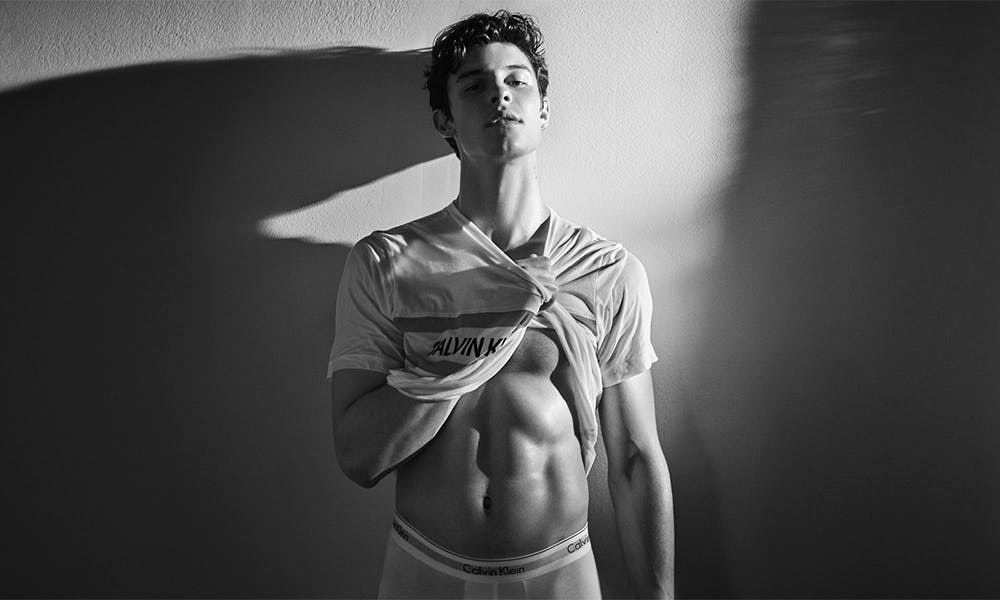
When Billie Eilish popped up in a Calvin Klein ad back in 2019, people kinda lost their minds. It wasn’t because she was wearing the clothes—everyone wears clothes—but because of how she was wearing them. Most CK ads involve a lot of skin. You know the ones. They usually feature a sweaty celebrity in their underwear looking intensely at a camera lens. But Billie? She was in a bathtub, fully clothed, wearing a baggy neon green tracksuit.
It was weird. It was cool. Honestly, it changed the way a lot of us thought about "sexy" in fashion.
The Billie Eilish Calvin Klein "Truth" Campaign
The whole thing was part of the I Speak My Truth in #MyCalvins series. Calvin Klein brought in a bunch of big names like Shawn Mendes, A$AP Rocky, and Indya Moore. While Shawn was out there doing the traditional shirtless thing, Billie’s segment felt like a punch to the gut. It was raw.
In the video, she says something that still gets quoted all over TikTok and Pinterest today: "I never want the world to know everything about me."
She explained that she wore baggy clothes so people couldn't judge her body. No one could say she was "slim-thick" or "flat" or whatever because they literally hadn't seen what was underneath. For a 17-year-old girl at the peak of global fame, that was a massive statement. It wasn't just about fashion; it was a defensive maneuver.
Why This Partnership Felt Different
Usually, when a celebrity signs a deal with a massive brand like Calvin Klein, it feels like a corporate handshake. You get the check, you wear the shirt, everyone goes home. But the Billie Eilish Calvin Klein collaboration felt like the brand was actually following her lead for once.
- The Aesthetic: Instead of the usual high-glamour lighting, the shots by Mario Sorrenti looked moody and slightly grainy.
- The Sound: They used her tracks "bad guy" and "when the party's over," which added this haunting, DIY vibe to the commercials.
- The Message: It shifted the focus from "look at me" to "don't look at me."
It’s ironic, right? Using a global ad campaign to tell people to stay out of your business. But that irony is exactly why it worked. It felt authentic to who she was at the time—a teenager trying to maintain some level of privacy while the whole world was staring.
The Shift in the Narrative
Fast forward a bit. We've seen Billie evolve. She did the British Vogue cover in a corset, which felt like a "break the internet" moment. People started accusing her of being a hypocrite because of what she said in that Calvin Klein ad.
But here’s the thing: people change.
Billie later admitted in interviews, specifically with Vogue Australia and Dazed, that her style wasn't always just about "privacy." Sometimes it was about body dysmorphia. She said the baggy clothes were a way to hide because she hated her body at the time. When she got older and felt more confident, she changed her look. That doesn't make the Billie Eilish Calvin Klein campaign a lie; it just makes it a snapshot of where she was in 2019.
She even joked in a second CK video, "You can't fake authenticity... what the f*** am I saying?" It showed she wasn't taking the "corporate spokesperson" role too seriously.
What Most People Get Wrong About the Ad
A lot of folks think the campaign was just about her "hating" traditional beauty standards. It was actually more about control. In the industry, women's bodies are treated like public property. By choosing Calvin Klein—a brand famous for hyper-sexualized imagery—and then refusing to be sexualized, Billie took the power back.
She wasn't just a model; she was the architect of her own image.
The impact was huge. Suddenly, "baggy" wasn't just for skaters or people trying to hide. It became a high-fashion statement. You started seeing oversized silhouettes all over the runway, and CK itself started leaning harder into loungewear and "comfort-first" marketing.
Moving Past the "Baggy" Era
If you’re looking back at the Billie Eilish Calvin Klein era, don't view it as a rigid rulebook she set for herself. It was a boundary. She told the world, "I'll show you what I want, when I want."
Since then, she’s explored everything from Old Hollywood glam to streetwear-chic. She proved that you don't have to pick one lane and stay in it forever to be "truthful."
What to take away from the Billie Eilish CK era
If you're trying to apply the "Billie Method" to your own life or style, here’s how to actually do it without feeling like you're wearing a costume:
Prioritize your comfort over the "gaze." Billie wore the baggy tracksuits because she felt safe in them. If you feel better in an oversized hoodie than a tight dress, wear the hoodie. The "truth" in the campaign wasn't about the clothes; it was about the person inside them feeling okay.
Own your evolution. Don't be afraid to contradict your past self. If you said you'd "never" wear something and now you love it, wear it. The public might call it a "rebrand," but you can just call it growing up.
Set boundaries early. You don't owe anyone an explanation of your body or your choices. Billie used a global platform to say "no comment" to body shaming. You can do the same in your own circles.
The Billie Eilish Calvin Klein campaign remains one of the most successful "subversive" ads in recent history because it didn't try to sell us a fantasy. It sold us a boundary. And in 2026, where everything is overshared and hyper-visible, that boundary feels more relevant than ever.